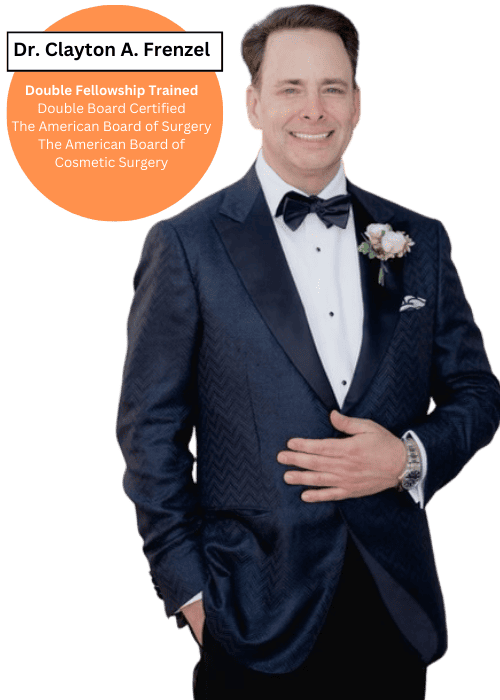
BodEvolve serves the Dallas Fort Worth Metroplex and is under the care of Board Certified Surgeon Dr. Clayton Frenzel. Women and men in the DFW area visit Dr. C for life changing weight loss surgery procedures, as well as cosmetic procedures after their massive weight loss.
At BodEvolve, we focus on building partnerships with our patients so they get the most out of their experience. Dr. Frenzel, or Doc A to Z, is very personable and is an excellent surgeon to partner with as you work toward your complete transformation. The BodEvolve staff is also very unique, from patient intake, Bariatric Coordinators and even office managers. Dr. Frenzel has 9 employees who have been through weight loss surgery themselves. They have been in your shoes, and they are passionate about helping you with your weight loss surgery journey
Weight Loss Procedures That will change your life!